Explore the remarkable outcomes of two decades of China-Australia educational cooperation through data, case studies, and success stories
Quantifying the success of our educational collaboration across multiple dimensions
Building global citizens through cross-cultural education
Including 2+2, 3+1, and research collaborations
Across both nations forming a comprehensive network
Co-authored publications in top-tier journals
Visualizing the growth and impact of our educational partnership
Loading chart...
Loading chart...
Loading chart...
Key milestones in the evolution of China-Australia educational cooperation
Initial educational exchanges established between key institutions, marking the beginning of formal cooperation.
Launch of pioneering 2+2 and 3+1 joint degree programs, creating new pathways for students.
China-Australia Free Trade Agreement leads to 20% increase in joint program enrollment and expanded research collaboration.
Successful pivot to virtual collaboration models during COVID-19, maintaining program continuity and even accelerating innovation.
Memorandum of Understanding renewal sets clear direction for the next phase of cooperation and expanded collaboration.
Universities Australia delegation visit demonstrates shared commitment to building stronger bridges and developing future leaders.
Highlighting exemplary programs and initiatives that showcase the best of our partnership
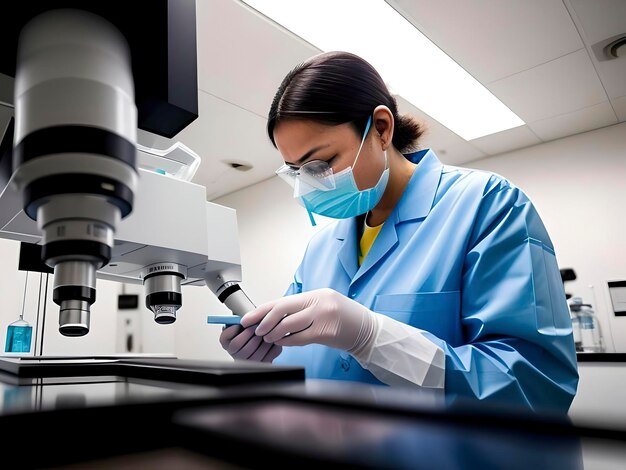
The 2+2 program in Biotechnology and Food Science has produced over 500 graduates with dual degrees, creating a model for successful international collaboration.
This initiative has brought together over 2,000 young leaders from both countries, fostering cross-cultural understanding and building networks for the future.
Collaborative research in medicine and environmental science has resulted in breakthrough discoveries and over 1,200 co-authored publications in top-tier journals.
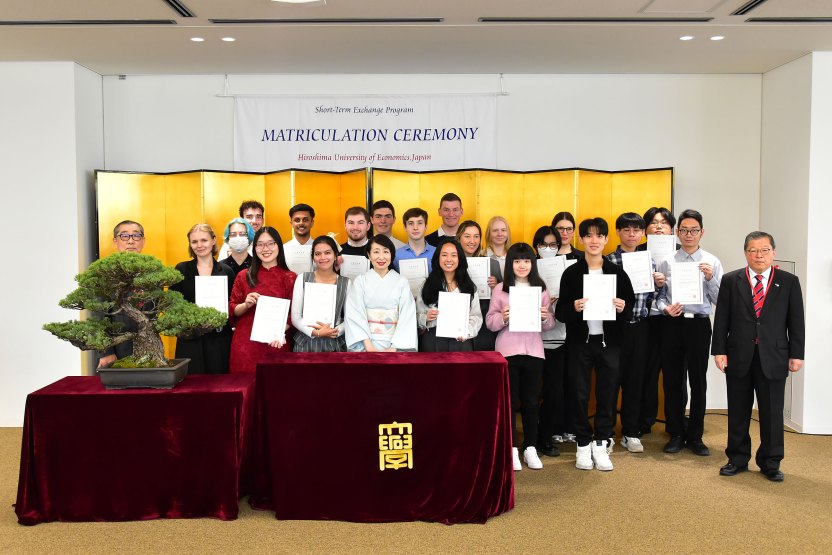
Visual highlights from our collaborative programs and initiatives
The next decade promises even greater achievements as we expand digital learning, develop new joint programs, and deepen research collaborations to address global challenges.
Expanding virtual collaboration and hybrid learning models
Launching new interdisciplinary and professional programs
Addressing climate change, health, and technology challenges